Colorado homeowners experience some of the most unpredictable and demanding weather conditions in the country. From intense sunlight and hail storms to heavy snow and rapid temperature swings, local homes face constant exterior stress throughout the year.
While many homeowners focus on visible storm damage after severe weather events, long term exposure to Colorado’s climate can slowly wear down roofing systems, windows, gutters, and exterior materials even without a major storm.
Understanding how Colorado weather affects your home can help you identify problems early, avoid expensive repairs, and make smarter long term exterior investments.
The Biggest Weather Threats to Colorado Homes
Colorado homes regularly deal with several environmental factors that gradually weaken exterior systems over time.
These include:
- Hail storms
- High wind exposure
- Freeze thaw cycles
- UV and sun exposure
- Heavy snowfall
- Rapid temperature fluctuations
- Ice buildup and moisture intrusion
Together, these conditions can shorten the lifespan of roofing materials, reduce window efficiency, and create hidden damage that often goes unnoticed until larger issues appear.
How Hail Damages Roofing Systems
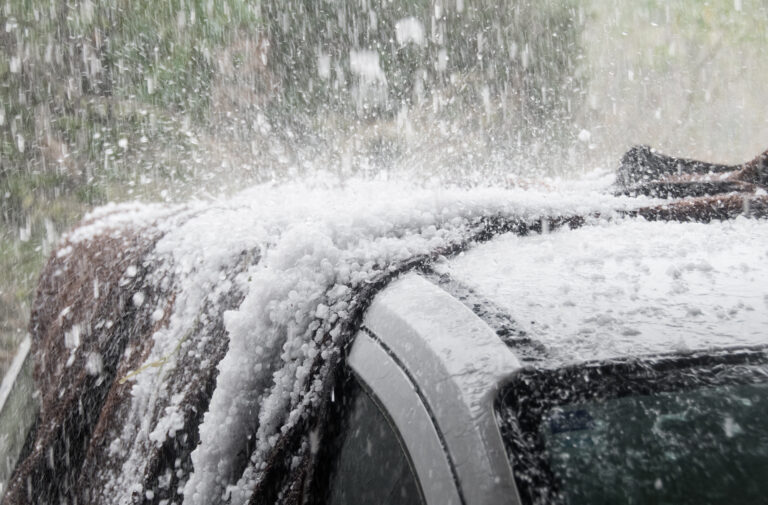
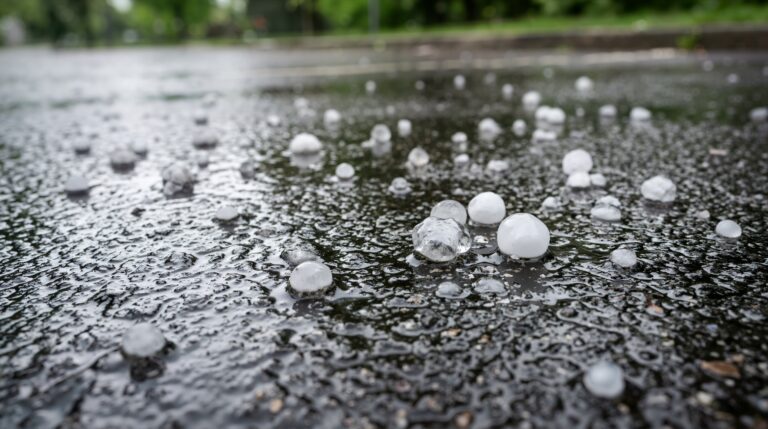
Hail is one of the leading causes of roof damage throughout Colorado.
Even smaller hail impacts can weaken shingles by removing protective granules or creating cracks that expose roofing materials underneath. Larger hail can puncture roofing systems, damage flashing, dent gutters, and compromise roof integrity.
Some signs of hail damage include:
- Missing shingles
- Granule buildup in gutters
- Dented metal components
- Cracked shingles
- Roof leaks
- Soft spots on roofing surfaces
The challenge is that many forms of hail damage are not immediately visible from the ground. Damage may slowly worsen over time as moisture enters the roofing system.
This is why professional roof inspections after major storms are important for Colorado homeowners.
The Hidden Impact of Colorado Sun Exposure
Colorado’s elevation creates stronger UV exposure compared to many other states.
Over time, prolonged sunlight can dry out roofing materials, weaken sealants, fade exterior surfaces, and accelerate material aging.
For roofing systems, UV exposure can cause:
- Shingle brittleness
- Premature aging
- Cracking
- Loss of flexibility
- Faster material deterioration
Windows are also heavily affected by constant sun exposure. Older windows may struggle to block heat transfer, making homes less comfortable during warmer months and increasing cooling costs.
Modern energy efficient windows with Low E coatings help reduce UV exposure while improving indoor comfort and efficiency.
Freeze Thaw Cycles and Moisture Damage
Colorado temperatures can change dramatically within a single day. These rapid shifts create freeze thaw cycles that place stress on roofing systems and exterior materials.
When moisture enters small cracks or vulnerable areas, freezing temperatures cause expansion that can gradually widen damage over time.
This process can affect:
- Roofing shingles
- Flashing systems
- Gutters
- Window seals
- Exterior trim
- Roof underlayment
Over time, repeated freezing and thawing may lead to leaks, separation, water intrusion, and structural deterioration.
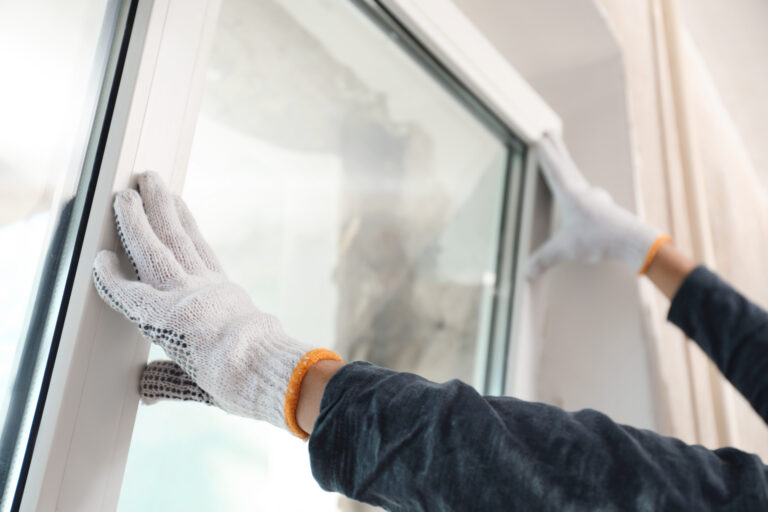
Why Older Windows Struggle in Colorado Homes
Older or outdated windows are often one of the biggest sources of energy loss in Colorado homes.
Common problems include:
- Drafts
- Condensation
- Air leaks
- Poor insulation
- Difficult operation
- Heat transfer
- Moisture intrusion
During winter, inefficient windows allow heated air to escape. During summer, solar heat gain can make rooms uncomfortable and increase cooling costs.
Modern energy efficient windows are designed to improve insulation, maintain more stable indoor temperatures, and reduce unnecessary strain on HVAC systems.
Many Colorado homeowners upgrade windows not only for energy savings, but also for improved comfort, noise reduction, and curb appeal.
Gutters Play a Bigger Role Than Most Homeowners Realize
Colorado storms and seasonal debris can quickly overwhelm aging gutter systems.
When gutters fail to drain properly, water may collect near foundations, overflow onto siding, or contribute to roof edge damage.
Common gutter issues include:
- Sagging gutters
- Clogs
- Ice buildup
- Overflowing water
- Leaks
- Improper drainage
Well maintained gutters help direct water safely away from the property and reduce the risk of moisture related exterior damage.
Why Preventative Inspections Matter
Many roofing and window problems begin long before homeowners notice visible signs inside the home.
Routine exterior inspections can help identify:
- Storm damage
- Roof wear
- Loose flashing
- Damaged shingles
- Window seal failures
- Drainage problems
- Moisture risks
Catching problems early often reduces repair costs and helps homeowners avoid larger structural damage later.
This is especially important in Colorado where weather exposure remains constant throughout every season.
Choosing Exterior Materials Built for Colorado Weather
Not all roofing and window systems perform equally in Colorado conditions.
Homeowners should consider:
Roofing Materials
- Impact resistant shingles
- Metal roofing
- Proper ventilation systems
- Weather resistant underlayment
Window Features
- Double or triple pane glass
- Low E coatings
- Insulated frames
- Energy efficient glazing
Gutter Systems
- Seamless gutters
- Durable drainage systems
- Gutter guards
- Proper downspout placement
Investing in quality exterior systems designed for Colorado weather can improve long term durability, efficiency, and overall home protection.
Protecting Your Home Long Term
Colorado weather is unavoidable, but exterior damage can often be minimized with proper maintenance, inspections, and high quality materials.
Whether your home needs roofing repairs, energy efficient windows, gutter upgrades, or storm damage restoration, proactive exterior care plays a major role in protecting property value and reducing future repair costs.
At MultiPro Exteriors, we help homeowners throughout Colorado identify exterior issues early and provide solutions designed for long term performance in demanding weather conditions.